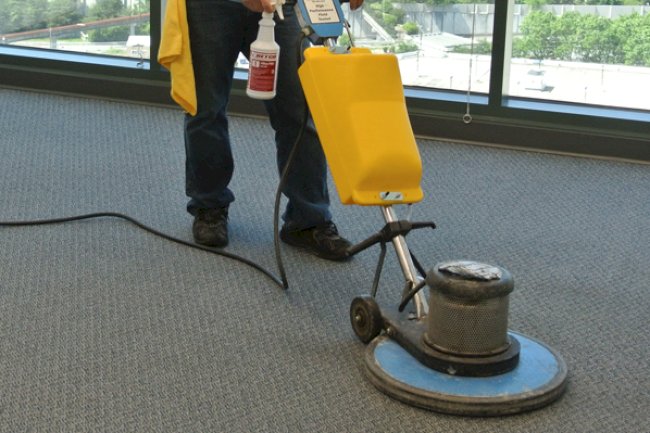
Commercial Cleaning Services in Los Angeles, CA

A clean workplace does more than create a pleasant first impression. It can support a more organised environment, help maintain shared spaces and make visitors and employees feel more comfortable. From offices and retail spaces to professional facilities and other commercial properties, regular cleaning is an important part of everyday property management.
Los Angeles businesses can face a wide range of cleaning challenges. High foot traffic can quickly leave floors and entryways looking dirty, while frequently touched surfaces may require regular attention. Dust, spills, food debris and general workplace activity can also contribute to buildup throughout the day.
For business owners considering Commercial Cleaning Services in Los Angeles, CA, understanding what professional cleaning involves can help them create a more practical maintenance routine. D2D Cleaning Services provides cleaning solutions designed to help businesses maintain clean and presentable environments.
Why Is Workplace Cleanliness Important?
Employees and visitors notice the condition of a business as soon as they enter. An untidy reception area, dusty surfaces or visibly dirty floors can affect how people perceive the overall environment.
Cleanliness is also connected to daily functionality. When workspaces, kitchens, bathrooms and common areas are regularly maintained, employees can spend less time dealing with basic cleaning tasks and more time focusing on their responsibilities.
A consistent cleaning routine can also help prevent dirt and debris from accumulating to the point where more intensive cleaning becomes necessary.
The exact cleaning requirements depend on the type of business. An office, medical facility, retail store and restaurant may all have very different cleaning priorities.
What Does Commercial Cleaning Include?
Commercial cleaning is not limited to vacuuming floors and emptying rubbish bins. A professional cleaning plan can cover a range of areas depending on the property and its specific requirements.
Common tasks may include dusting, vacuuming, mopping, cleaning bathrooms, wiping frequently used surfaces and maintaining shared areas. Some businesses may also require deeper cleaning for specific spaces or periodic attention to areas that are not addressed during routine visits.
The frequency of service is another important consideration. Some workplaces may require cleaning every day, while smaller or lower-traffic spaces may need service less frequently.
The goal is to establish a cleaning schedule that reflects the way the business operates rather than relying on a generic routine.
How Does Foot Traffic Affect Cleaning Needs?
The number of people entering and leaving a building can have a major effect on how quickly surfaces become dirty.
Entryways are particularly vulnerable because dirt and debris can be carried in from outside. Floors in hallways, reception areas and other high-traffic spaces may therefore require frequent attention.
Businesses that operate throughout the day may also need to consider cleaning schedules carefully. Cleaning during busy operating hours can disrupt employees and customers, while cleaning after hours may be more practical for some businesses.
A professional cleaning provider can work with the business to establish a schedule that fits its operating hours and priorities.
Why Are High-Touch Areas Important?
Certain surfaces are used repeatedly throughout the day. Door handles, light switches, shared equipment, counters and other frequently touched areas can receive significant contact from employees and visitors.
Including these areas in a regular cleaning routine is an important part of maintaining a well-kept workplace.
The specific cleaning products and procedures should depend on the surface being treated. Different materials can require different approaches, and using inappropriate products may cause damage.
For this reason, professional cleaners generally need to understand the environment before establishing a cleaning programme.
How Can Businesses Maintain Cleaner Common Areas?
Shared areas often become messy faster than individual workspaces because many people use them throughout the day.
Break rooms, kitchens, reception areas and meeting spaces can accumulate food debris, cups, packaging and other waste. Without regular attention, these areas can quickly appear untidy.
Simple workplace habits can help. Employees can clean up after themselves, dispose of rubbish correctly and return shared items to their proper locations.
However, these habits work best when combined with a consistent professional cleaning routine.
What About Office Bathrooms?
Bathrooms are among the areas that require regular cleaning because they are used frequently and need consistent attention.
Cleaning should generally address floors, sinks, toilets, mirrors and other commonly used surfaces. Supplies such as soap, paper products and other essentials may also need to be monitored depending on the cleaning arrangement.
A clean and properly maintained bathroom contributes to the overall impression of a workplace. It is also one of the first areas visitors may notice if maintenance standards are inconsistent.
Choosing the Right Cleaning Schedule
There is no universal cleaning schedule for every business.
A small office with a few employees may have very different requirements from a large commercial building with hundreds of people passing through each day.
Factors such as employee numbers, operating hours, customer traffic, property size and the nature of the business can all influence cleaning frequency.
Some businesses may benefit from daily cleaning, while others may require several visits per week or a combination of routine and periodic deep cleaning.
The important thing is to establish a schedule that keeps the property consistently maintained without providing unnecessary services.
Routine Cleaning vs. Deep Cleaning
Routine cleaning focuses on maintaining the property on an ongoing basis. It may include everyday tasks such as vacuuming, mopping, dusting, bathroom cleaning and rubbish removal.
Deep cleaning is more intensive and can focus on areas that are not addressed as frequently during regular visits.
Businesses may schedule deep cleaning periodically, particularly after renovations, before important events or when an area requires additional attention.
Using both approaches can help maintain the appearance of a property while also addressing less frequently cleaned areas.
Why Professional Cleaning Can Be More Practical
Some business owners attempt to handle all cleaning internally. While this may work for small tasks, assigning employees responsibility for comprehensive cleaning can take time away from their primary roles.
Professional cleaners have the equipment, products and experience needed to handle different types of commercial spaces.
Outsourcing cleaning can also make responsibilities clearer. Employees know what they are expected to maintain, while professional cleaners handle the broader cleaning programme.
D2D Cleaning Services can help businesses establish cleaning routines based on the property's needs and operating requirements.
Preparing a Business for Professional Cleaning
Before beginning a cleaning service, it can be useful to identify the areas that require the most attention.
Business owners should consider which spaces are used most frequently, where dirt accumulates fastest and whether there are surfaces or equipment requiring special treatment.
It is also helpful to discuss operating hours and access arrangements. Cleaning schedules can then be planned around the business rather than disrupting normal operations.
Clear communication about expectations can make the cleaning process more efficient and help ensure important areas are not overlooked.
What About Short-Term Rental Properties?
Cleaning requirements can be very different for vacation rentals because properties need to be prepared between guests.
Unlike a typical home cleaning routine, a rental turnover involves preparing the entire property for the next arrival. Bathrooms, kitchens, bedrooms, living areas and frequently touched surfaces all need attention.
Timing is also important. The cleaning process must fit between checkout and the next guest's arrival.
For property owners and managers researching Airbnb and Vacation Rental Cleaning in Beverly Hills, CA, having a consistent cleaning process can help keep the property ready for incoming guests.
Why Does Rental Turnover Cleaning Require Attention to Detail?
Guests notice details that residents may overlook. A dusty surface, unclean bathroom or poorly prepared bedroom can immediately affect their impression of a rental property.
A turnover clean should therefore focus on more than simply making the property look tidy. Linens may need to be changed, rubbish removed, bathrooms refreshed and kitchens thoroughly cleaned.
Depending on the property and service arrangement, additional tasks may include checking supplies, reporting visible damage and ensuring the property is properly reset.
Consistency is particularly important when a property has frequent guest turnover.
Creating a Guest-Ready Rental
A vacation rental should feel clean, organised and ready when the next guest arrives.
This starts with having a clear checklist. Each room should have defined cleaning tasks so important details are not forgotten during a fast turnover.
Bedrooms may require fresh linens, dusting, vacuuming and general organisation. Bathrooms need thorough cleaning, while kitchens should be checked for food residue, dishes and other signs of the previous stay.
Living spaces should also be reset so that furniture, cushions and other items are arranged appropriately.
A consistent process can make turnovers easier to manage and help property owners maintain predictable standards.
FAQs
How often should a business be professionally cleaned?
The ideal frequency depends on the size of the property, foot traffic, business type and operating schedule. High-traffic workplaces may require daily service, while smaller businesses may need less frequent cleaning.
What areas should be prioritised in an office?
Reception areas, bathrooms, kitchens, common spaces, floors and frequently touched surfaces are generally important areas to include in a regular cleaning plan.
Is deep cleaning different from regular commercial cleaning?
Yes. Regular cleaning focuses on ongoing maintenance, while deep cleaning is more intensive and targets areas that may not be addressed during every routine visit.
Why is cleaning important for vacation rentals?
Vacation rentals need to be ready for new guests after each stay. Consistent cleaning helps ensure bedrooms, bathrooms, kitchens and common areas are properly reset before the next arrival.
What should be included in an Airbnb turnover?
A turnover can include cleaning and resetting bedrooms, bathrooms, kitchens and living spaces. Depending on the arrangement, it may also include linen changes, rubbish removal, supply checks and reporting visible issues.
Can a cleaning schedule be adjusted around business hours?
Yes. Cleaning schedules can often be arranged around operating hours to minimise disruption to employees, customers and visitors.
Conclusion
A consistent cleaning routine can make a significant difference to both commercial workplaces and short-term rental properties. Businesses need cleaning schedules that reflect their daily activity, while vacation rentals require detailed turnover processes that prepare the property for every new guest.
Professional cleaning can also reduce the amount of time employees or property managers need to spend handling routine maintenance tasks. By establishing clear priorities, appropriate schedules and room-specific cleaning processes, property owners can create cleaner and more manageable environments.
D2D Cleaning Services provides cleaning solutions for different property needs. Whether you are researching Commercial Cleaning Services in Los Angeles, CA or looking for Airbnb and Vacation Rental Cleaning in Beverly Hills, CA, understanding the property's specific cleaning requirements is the first step towards establishing an effective maintenance routine.
What's Your Reaction?